Cars · 5 min read
A practical guide to renting a car abroad
Licenses, insurance, fuel policies and the checks to make at pickup.
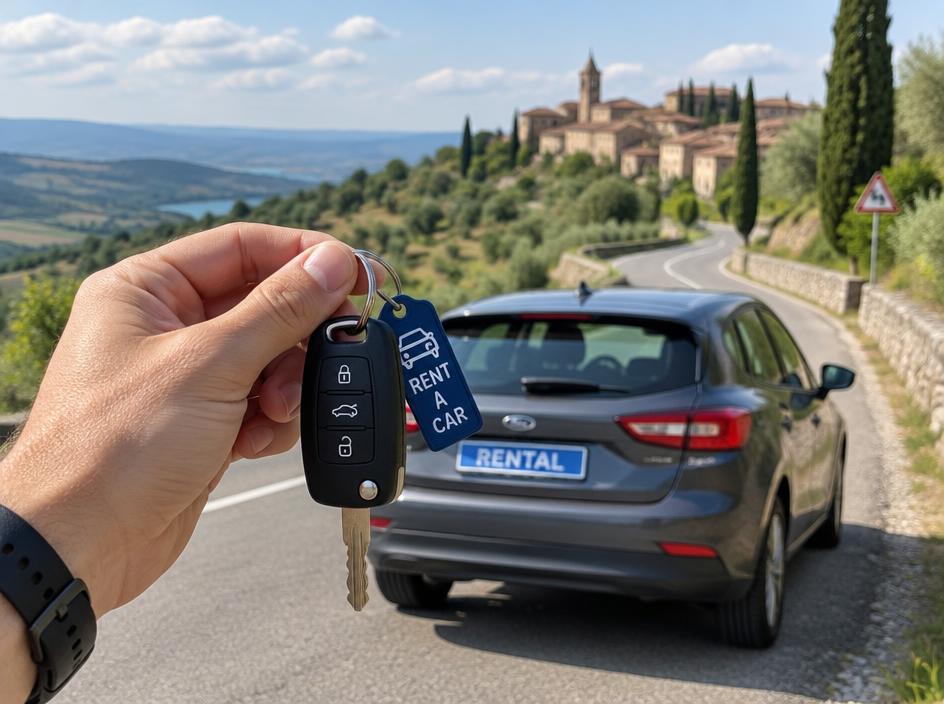
A rental car can turn a good trip into a great one, opening up villages, viewpoints and beaches that tours and trains never reach. Renting in another country does involve more paperwork and a few unfamiliar rules. This guide covers what to sort out before you go, what to check at the counter, and how to avoid the most common surprises.
Before you book: is a car the right choice?
In dense cities, parking costs, traffic and restricted zones can make a car more trouble than it is worth. A common approach is to explore the city on foot and public transport, then pick up a car on the day you leave for the countryside. Rental locations in city centres are sometimes cheaper than airport desks, which may add location fees.
Driving licence and documents
Requirements depend on the country you are visiting and where your licence was issued. Some countries accept a foreign licence on its own; others also require an International Driving Permit (IDP), which is a translation issued in your home country and must be carried alongside your actual licence. Check the official government transport or tourism authority for your destination, and the rental company's own conditions, as they may be stricter than the law.
You will usually need:
- Your full, valid driving licence, often held for a minimum period.
- A passport or national ID.
- A credit card in the main driver's name for the security deposit. Debit cards are not always accepted.
Age rules and additional drivers
Minimum and maximum ages vary by country and company, and younger or older drivers may pay a surcharge or be limited to certain car groups. Anyone who will drive must normally be named on the agreement and present their licence at pickup. Adding a driver later can be difficult, so decide in advance.
Understanding insurance and protection
This is where most confusion and unexpected costs arise. Terms vary, but common elements include:
- Third-party liability, which covers damage to other people and property and is often legally required and included.
- Collision damage waiver (CDW) and theft protection, which limit what you pay if the car is damaged or stolen, usually down to an excess or deductible.
- Excess reduction products, sold at the counter or separately, which lower that excess.
Some credit cards and travel insurance policies include rental cover, but conditions and exclusions vary widely. Read your own policy wording before you travel, so you can decide calmly rather than under pressure at the desk. Ask what is excluded: tyres, windscreens, the underside of the car and keys are common exclusions.
Fuel policies
A full-to-full policy, where you collect and return the car with a full tank, is usually the most transparent. Pre-purchase policies charge for a full tank up front and may not refund unused fuel. Confirm the fuel type before you fill up; diesel and petrol pumps can look similar, and mistakes are expensive. For electric vehicles, ask about the charge level on return and compatible charging networks.
At the pickup counter
- Read the agreement and check the total matches what you expected.
- Ask about the deposit amount and how long it will be held on your card.
- Decline extras you do not need, such as upgrades or GPS if your phone works.
- Ask about tolls, low-emission zones and cross-border rules if you plan to drive into another country.
Inspect the car before you drive away
Walk around the car with the agent if possible. Photograph or video every side, the wheels, the windscreen, the interior and the fuel gauge and mileage, with timestamps. Make sure existing scratches and dents are recorded on the paperwork. Check that lights, wipers and air conditioning work and that any required safety equipment, such as a warning triangle or high-visibility vest, is in the car.
On the road
- Learn which side of the road you will drive on and practise in a quiet area first.
- Understand local speed limits, which may be shown in kilometres per hour.
- Be aware of rules on alcohol limits, mobile phones, headlights and child seats, which vary by country.
- Find out how tolls are paid; some are electronic only.
- Keep the rental company's breakdown number handy.
Returning the car
Allow extra time, especially at airports. Refuel close to the return location and keep the receipt. Photograph the car again, including the fuel gauge and mileage, and ask for a signed return confirmation if staff are available. Check your card statement for any later charges.
Plan your rental
When you know your route, explore options in the Cars search, which supports airport or city pickup and different drop-off locations for one-way trips. Always confirm the specific provider's terms for licences, insurance, deposits and cancellations.
This guide is general information. Rules, fees and conditions vary by destination and provider—always confirm details with the relevant official authority or travel provider.